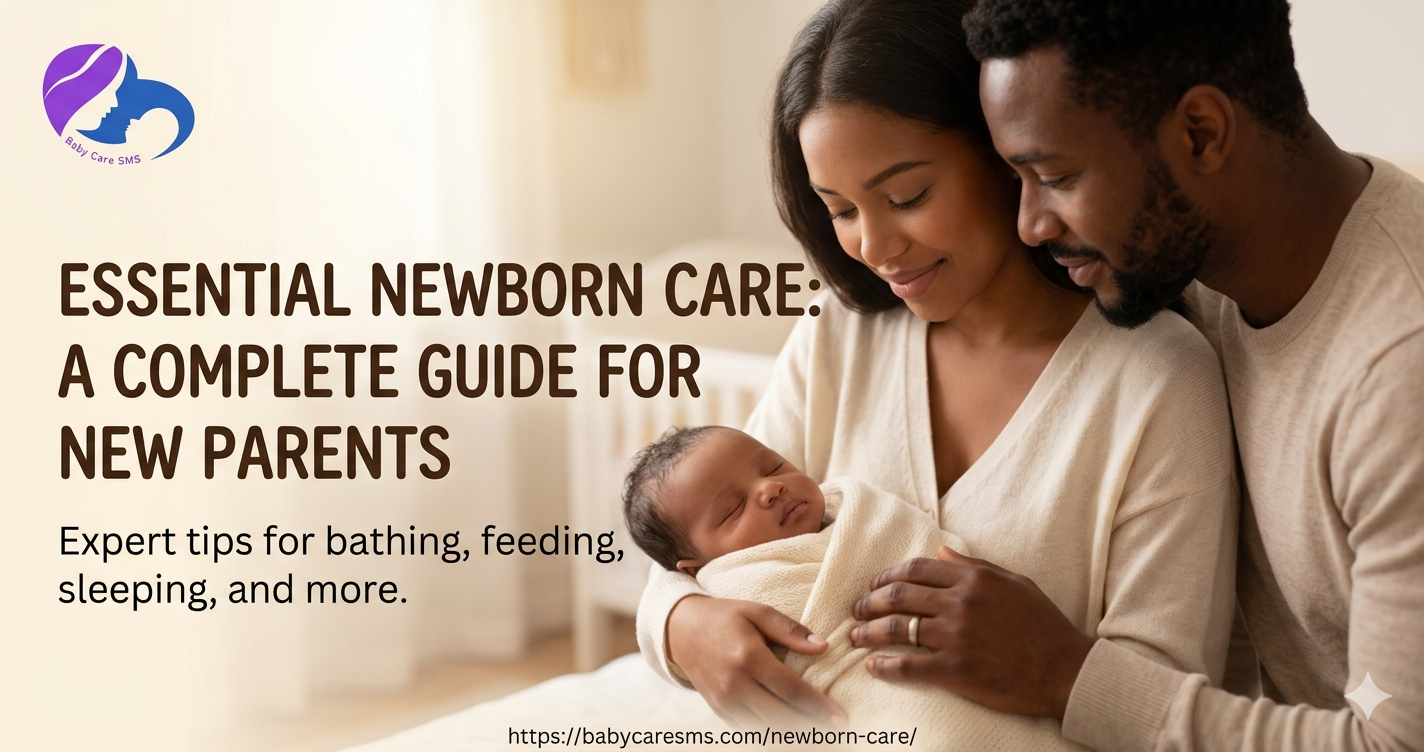
Newborn Care Specialist: The Complete Guide for New Parents (2026)
Bringing a newborn into your life is one of the most beautiful and emotional experiences you will ever have. But let’s be honest—it can also feel overwhelming, exhausting, and sometimes confusing. From sleepless nights to constant feeding and understanding your baby’s needs, the early weeks of parenthood can test even the most prepared parents.
This is where a Newborn Care Specialist (NCS) becomes incredibly valuable.
A Newborn Care Specialist is a trained professional who supports families during the first weeks or months after a baby is born. Their role goes beyond basic childcare—they guide, educate, and empower parents while ensuring the baby receives the best possible care.
In this complete guide, you’ll learn everything about newborn care specialists—their role, skills, benefits, and how they can make your parenting journey smoother and more enjoyable.
What Is a Newborn Care Specialist?
A Newborn Care Specialist (NCS) is a professional trained specifically in newborn care. They provide hands-on assistance and expert guidance to parents during the early stages of a baby’s life, typically from birth to 3–4 months.
Unlike babysitters or nannies, an NCS focuses only on newborns and understands the unique needs of infants. Their expertise includes:
- Feeding support (breastfeeding or bottle feeding)
- Sleep training and routines
- Newborn hygiene and care
- Monitoring developmental milestones
- Supporting parents emotionally and physically
Their ultimate goal is simple: to make the transition into parenthood easier, safer, and more confident.
Why New Parents Need a Newborn Care Specialist
The early postpartum period is often filled with mixed emotions—joy, anxiety, fatigue, and sometimes self-doubt. Many parents feel unsure about whether they are doing things “right.”
A Newborn Care Specialist helps remove that uncertainty.
Key Benefits:
- Reduces stress and anxiety
- Helps establish a daily routine
- Improves baby’s sleep habits
- Supports feeding challenges
- Provides expert guidance when needed
Instead of feeling overwhelmed, parents feel supported and confident.
The Role of a Newborn Care Specialist
A Newborn Care Specialist plays multiple roles within a household. They are not just caregivers—they are educators, supporters, and problem-solvers.
Primary Responsibilities
An NCS ensures that both the baby and parents are well taken care of. Their daily responsibilities typically include:
- Creating and maintaining feeding schedules
- Helping with breastfeeding or bottle-feeding
- Establishing healthy sleep routines
- Bathing and dressing the baby
- Monitoring baby’s behavior and development
- Keeping records of feeding, sleep, and diaper changes
- Assisting with baby-related household tasks
They also guide parents step-by-step so they can confidently handle everything on their own over time.
Training and Certification Requirements
Professional Newborn Care Specialists are highly trained and often certified through recognized organizations.
Common Qualifications:
- Newborn care training programs
- Infant CPR and First Aid certification
- Sleep training education
- Lactation support knowledge
- Specialized care for premature babies or twins
Many also have backgrounds in:
- Nursing
- Early childhood education
- Postpartum care
Continuous education is essential, ensuring they stay updated with the latest research and best practices in infant care.
Essential Skills Every Newborn Care Specialist Must Have
Providing newborn care requires a combination of technical knowledge and emotional intelligence.
1. Understanding Infant Behavior
Newborns cannot speak—but they communicate constantly through:
- Crying patterns
- Facial expressions
- Body movements
A skilled NCS can quickly interpret these signals and respond appropriately.
2. Sleep Management Expertise
Sleep is one of the biggest challenges for new parents.
An NCS helps:
- Establish consistent sleep routines
- Recognize sleep cues
- Create a calming sleep environment
This not only helps the baby but also allows parents to rest and recover.
3. Feeding Knowledge
Feeding is critical for a newborn’s growth.
An NCS supports:
- Proper breastfeeding techniques
- Bottle-feeding methods
- Identifying hunger and fullness cues
- Burping and digestion
They also assist with common feeding issues like latching difficulties or gas discomfort.
Creating a Safe Environment for Your Newborn
Safety is the top priority in newborn care.
Nursery Safety Essentials
- Use a firm mattress with a fitted sheet
- Keep pillows and toys out of the crib
- Anchor heavy furniture to the wall
- Maintain room temperature between 20–22°C
- Keep cords and hazards away
Recognizing Common Health Concerns
An NCS helps identify early signs of:
- Colic – excessive crying
- Jaundice – yellowish skin
- Diaper rash – irritated skin
Early detection ensures quick action and peace of mind.
Emergency Preparedness
Every home with a newborn should have:
- Emergency contact numbers
- A stocked first aid kit
- A clear evacuation plan
- Knowledge of infant CPR
A Newborn Care Specialist ensures all of these are in place.
Supporting New Parents Emotionally and Physically
Newborn care isn’t just about the baby—it’s also about the parents.
Education and Confidence Building
NCS professionals teach:
- How to feed and burp properly
- How to handle crying episodes
- How to create daily routines
This hands-on guidance builds confidence quickly.
Handling Postpartum Challenges
The postpartum period can be physically and emotionally demanding.
An NCS helps with:
- Managing sleep deprivation
- Supporting recovery after childbirth
- Reducing stress and overwhelm
- Encouraging healthy routines
Emotional Support
Sometimes, what parents need most is reassurance.
A Newborn Care Specialist provides:
- A listening ear
- Encouragement during tough moments
- Practical solutions to everyday problems
- Access to helpful parenting resources
Modern Advancements in Newborn Care
Newborn care is evolving with new technologies and approaches.
Smart Technology
- Smart bassinets that soothe babies
- Baby monitors with real-time tracking
- Wearable devices to monitor vital signs
Updated Medical Knowledge
NCS professionals stay informed through:
- Workshops and certifications
- Pediatric research updates
- Online courses and seminars
Holistic Care Approaches
Modern care focuses on the whole family:
- Infant massage techniques
- Calm and soothing environments
- Encouraging parent-baby bonding
Career Opportunities for Newborn Care Specialists
If you’re considering this career, the future looks promising.
Growing Demand
- More parents are seeking professional support
- Increased awareness of postpartum care
- High demand in cities and urban areas
Career Growth Options
- Specializing in sleep training
- Becoming a lactation consultant
- Starting your own childcare agency
- Training other professionals
Work Environments
- Private homes
- Hospitals
- Maternity centers
- Childcare agencies
This field offers both flexibility and long-term growth.
When Should You Hire a Newborn Care Specialist?
The best time to hire an NCS is right after your baby is born.
They are especially helpful if you:
- Are a first-time parent
- Have twins or multiples
- Had a complicated delivery
- Need nighttime support
- Feel overwhelmed or unsure
Even short-term support can make a huge difference.
Frequently Asked Questions (FAQs)
What does a Newborn Care Specialist do?
They provide expert newborn care, including feeding support, sleep training, and parent education.
Are they medical professionals?
No. They are trained caregivers, not doctors. For medical issues, always consult a pediatrician.
How long do they stay with a family?
Typically from a few weeks up to 3–4 months, depending on your needs.
Is hiring an NCS worth it?
Absolutely. It reduces stress, improves baby care, and helps parents feel confident faster.
Final Thoughts
Parenthood is a life-changing journey filled with love, challenges, and countless learning moments. While it can feel overwhelming at times, you don’t have to do it alone.
A Newborn Care Specialist brings knowledge, reassurance, and hands-on support right when you need it most. They help you build routines, understand your baby, and grow into your new role with confidence.
If you’re preparing to welcome a baby or already navigating those early days, investing in professional newborn care support can truly transform your experience.