
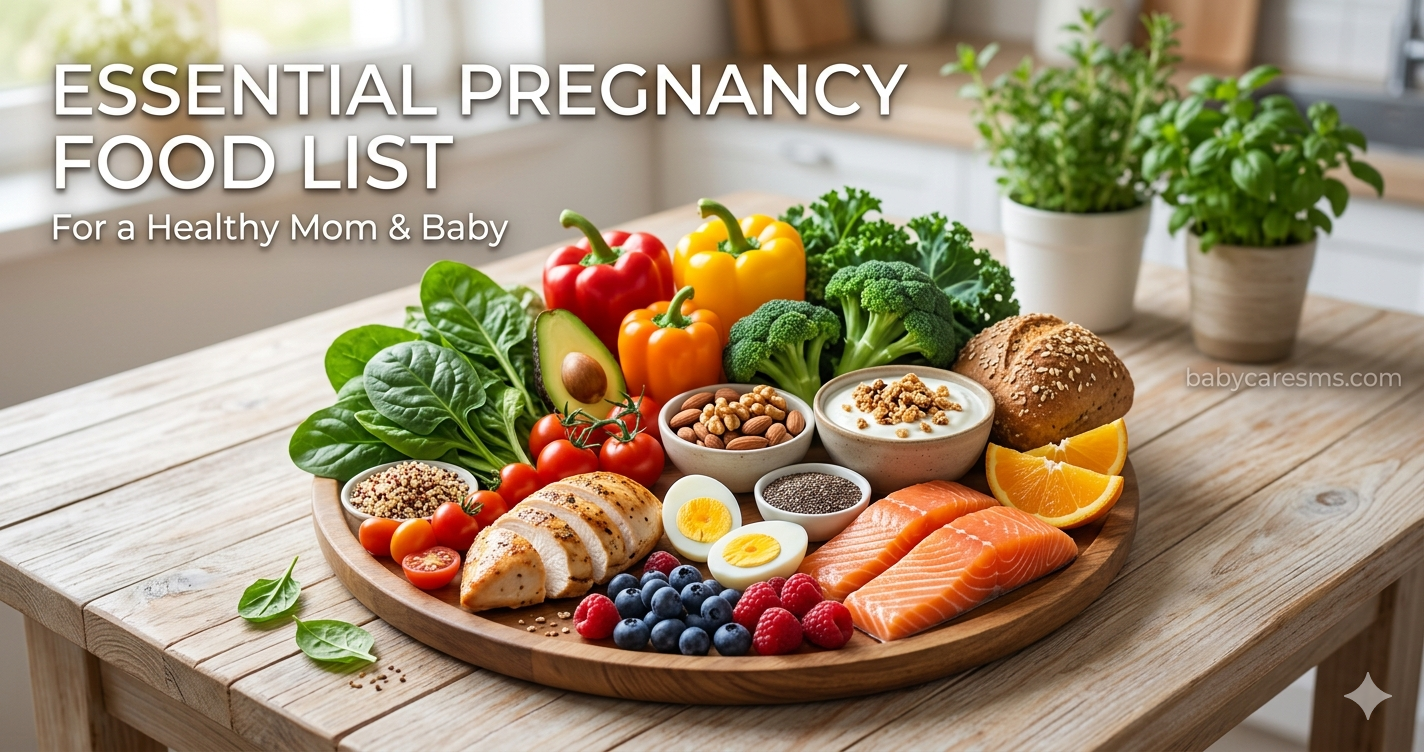
Best Foods to Eat During Pregnancy for a Healthy Baby
Pregnancy is one of the most meaningful and life-changing journeys a person can experience. Along with the excitement of welcoming a new life comes the responsibility of supporting your baby’s growth from the very beginning. One of the most powerful ways to do that is through proper nutrition.
What you eat during pregnancy doesn’t just affect your own health—it plays a vital role in your baby’s development, including brain growth, strong bones, and a healthy immune system. A balanced, nutrient-rich diet helps ensure a smoother pregnancy and supports overall well-being.
In this complete guide, you’ll discover the best foods to eat during pregnancy, essential nutrients, a practical meal plan, and expert tips to support both you and your baby.
Why Nutrition Matters During Pregnancy
During pregnancy, the body goes through many changes. Nutritional needs increase to support fetal development, the placenta, and overall health.
A healthy pregnancy diet helps:
- Support your baby’s brain and organ development
- Build strong bones and teeth
- Strengthen the immune system
- Reduce the risk of complications
- Maintain steady energy levels
Eating well during pregnancy lays the foundation for long-term health—for both parent and baby.
Essential Nutrients Needed During Pregnancy
Understanding key nutrients makes it easier to choose the right foods every day.
Folic Acid (Folate)
Folic acid is crucial, especially in early pregnancy. It helps prevent neural tube defects and supports brain and spinal cord development.
Best sources:
Spinach, broccoli, lentils, oranges, fortified cereals
Iron
Iron helps produce hemoglobin, which carries oxygen throughout the body and to the baby. Many pregnant people need extra iron to prevent anemia.
Best sources:
Lean meat, spinach, beans, lentils, fortified grains
Calcium
Calcium supports the development of strong bones and teeth. If intake is too low, the body may draw calcium from the parent’s bones.
Best sources:
Milk, yogurt, cheese, fortified plant-based milk
Omega-3 Fatty Acids
Omega-3s, especially DHA, are essential for brain and eye development.
Best sources:
Salmon, walnuts, chia seeds, flaxseeds
Protein
Protein helps build tissues, muscles, and organs.
Best sources:
Eggs, poultry, fish, beans, lentils
Fiber
Fiber supports digestion and helps prevent constipation, which is common during pregnancy.
Best sources:
Fruits, vegetables, oats, whole grains
Best Fruits to Eat During Pregnancy
Fruits provide essential vitamins, antioxidants, and natural energy.
Berries
Rich in vitamin C and fiber, berries support immunity and digestion.
Citrus Fruits
Oranges, lemons, and grapefruits help improve iron absorption.
Bananas
Bananas help reduce muscle cramps and provide quick energy.
Avocados
Packed with healthy fats and folate, avocados support brain development.
Healthy Vegetables for Pregnancy
Vegetables are a key part of a balanced pregnancy diet.
Leafy Greens
Spinach, kale, and Swiss chard provide folate, iron, and calcium.
Sweet Potatoes
High in beta-carotene, they support vision and immune health.
Broccoli
Provides fiber, calcium, and vitamin C.
Bell Peppers
Help improve iron absorption due to high vitamin C content.
Whole Grains for Energy
Whole grains provide long-lasting energy and important nutrients.
- Quinoa (complete protein)
- Oats (fiber and iron)
- Brown rice (B vitamins)
- Whole wheat bread (fiber and folate)
Best Protein Sources During Pregnancy
Protein is essential for healthy development.
Lean Meats
Provide iron and high-quality protein.
Fish
Choose low-mercury options like salmon and trout.
Eggs
Contain choline, which supports brain development.
Legumes
Great plant-based protein options rich in fiber and iron.
Dairy and Alternatives
Calcium and vitamin D are key during pregnancy.
- Yogurt (probiotics for digestion)
- Cheese (pasteurized only)
- Milk (calcium and protein)
- Fortified plant-based milk (dairy-free option)
Healthy Fats for Brain Development
Healthy fats are essential for the baby’s brain and nervous system.
- Nuts and seeds
- Olive oil
- Fatty fish
- Avocados
Staying Hydrated During Pregnancy
Hydration is essential for overall health.
Aim for 8–10 glasses of water daily to:
- Support amniotic fluid levels
- Prevent dehydration
- Aid digestion
- Reduce swelling
Other options include coconut water, fresh juices (no added sugar), and herbal teas in moderation.
Sample Daily Pregnancy Meal Plan
Breakfast:
Oatmeal with berries and milk
Morning Snack:
Banana with almonds
Lunch:
Brown rice, grilled chicken or lentils, vegetables
Afternoon Snack:
Yogurt with chia seeds
Dinner:
Quinoa or whole wheat bread with baked salmon and broccoli
Evening Snack:
Warm milk or a fruit smoothie
Foods to Avoid During Pregnancy
Some foods may pose risks and should be avoided:
- Raw or undercooked meat and seafood
- Unpasteurized dairy
- High-mercury fish
- Excess caffeine
- Alcohol
- Raw eggs
Expert Tips for a Healthy Pregnancy Diet
- Eat small, frequent meals
- Include a variety of foods
- Limit processed foods
- Stay hydrated
- Follow medical advice when needed
Frequently Asked Questions (FAQs)
What are the best foods to eat during pregnancy?
A balanced diet including fruits, vegetables, whole grains, protein, dairy, and healthy fats.
How much water is needed?
About 8–10 glasses daily.
Can pregnant people eat fish?
Yes, but choose low-mercury options like salmon.
Is caffeine safe?
Limit to 200 mg per day or less.
Why is folic acid important?
It helps prevent birth defects and supports brain development.
Final Thoughts
Maintaining a healthy and balanced diet during pregnancy is one of the most important steps you can take for your baby’s development and your own well-being.
By choosing nutrient-rich foods and staying consistent, you can support a smoother, healthier pregnancy journey.


